
Cairns Fire Helmets: A Guide For Fire Departments
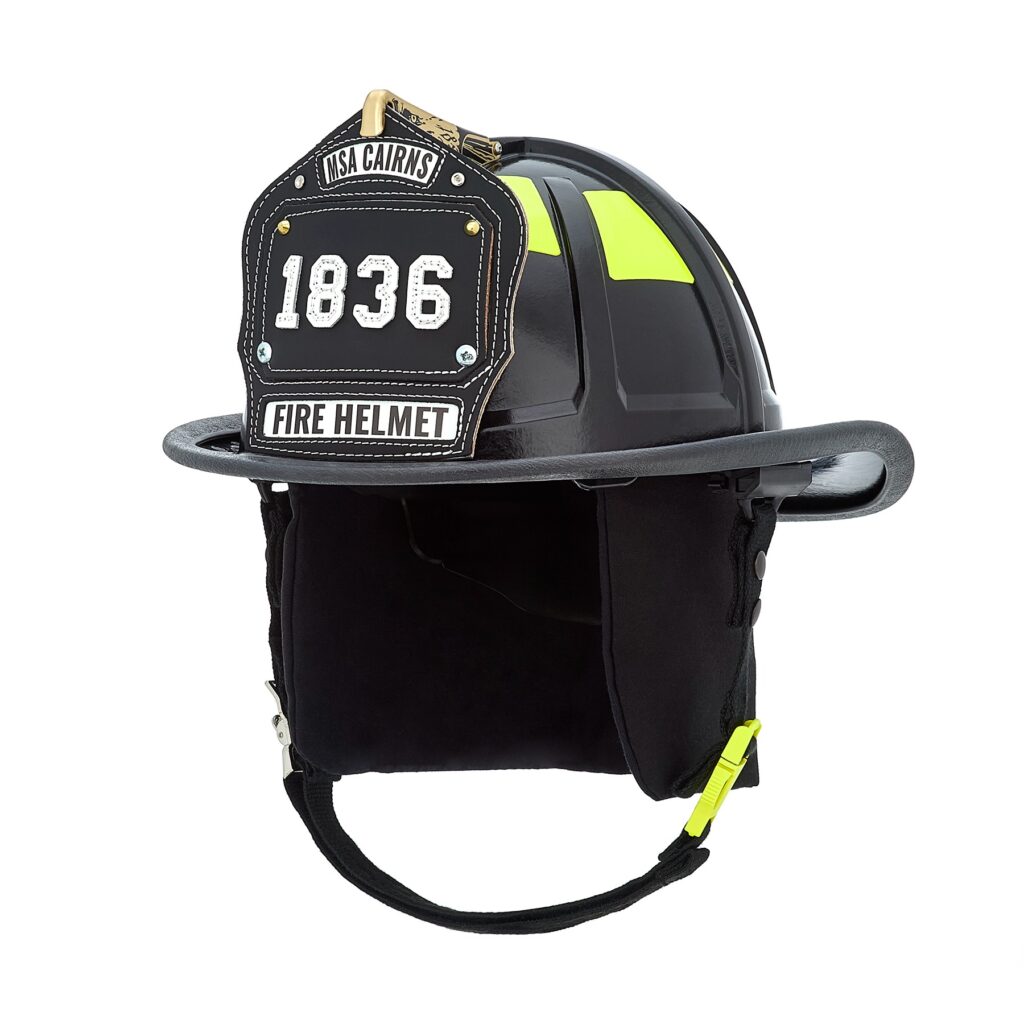
If your department is looking at new or replacement helmets this year, shell material deserves more attention than it usually gets. Two helmets can meet the same standard and still feel completely different on your crew after an hour on scene. Material shapes how a fire helmet handles radiant heat, how heavy it sits on the neck, and how many years you’ll get out of it. MSA Cairns Helmets are made of leather, fiberglass composite, and high-temperature thermoplastic, and each one answers a different set of priorities. Style preference matters too, because firefighters wear what they trust. Working through both questions early makes the purchase much easier to justify and plan.
Certifications Set the Standard
Every fire helmet conversation should start with the standard. NFPA 1971 covers protective ensembles for structural and proximity firefighting, and it establishes minimum protection levels against thermal, physical, environmental, and bloodborne pathogen hazards. Technical rescue helmets are specialized PPE built for search and rescue in non-fire environments, and they fall under NFPA 1951 instead. Departments running both types of calls should plan for both.
Certification alone isn’t the full picture, though. Third-party testing shows who actually verified those claims. MSA Cairns helmets get tested by Intertek and certified as NFPA compliant through the Safety Equipment Institute. Departments should ask for both pieces of information before they start comparing shells.
Four Materials, Four Different Jobs
MSA Cairns Helmets span leather, traditional, jet-style, and modern designs. Here’s how the shell material behind each one changes the experience.
Leather
Leather remains the firehouse favorite, and every MSA Cairns leather shell gets handmade from 100% cowhide. The N5A New Yorker and N6A Houston gets shaped, stitched, and trimmed one at a time, then finished with brass hardware and a customizable front holder. Impact cap provides thermal and impact protection too. Leather helmets run heavier than the alternatives, however, and it needs consistent care to hold its shape.
Traditional
Traditional helmets pair durability with comprehensive impact and thermal protection. The Cairns 1836 delivers that in a one-piece fiberglass composite shell, compression-molded from a high-temperature thermoset resin reinforced with chopped fiberglass. The Cairns 1880 is made of hard thermoplastic design. MSA lists it among the lightest traditional-style helmets available, and its low ride height improves balance during interior work. It also comes apart in minutes for inspection and cleaning.
Jet-Style
Jet-style helmets take a different approach entirely. The brimless design on the Cairns XF1 cuts snag hazards in tight spaces, while easy-to-find adjustments let each firefighter personalize the fit. Its thermoplastic shell also supports integrated accessories, including communication kits, secondary ocular visors, and lighting modules. That integration appeals to crews tired of clipping lights onto a brim and losing them.
Modern
Modern helmets trade brim coverage for a low-profile shape built around mobility and SCBA fit. The MSA Cairns lineup runs three deep, and the shell material splits across it.
The 660C Metro uses a fiberglass composite shell with the rear brim cut back, which opens up confined space and vehicle work without giving up structural or proximity protection. The Invader 664 shares its components with the 660C, but the color runs through the composite rather than sitting on top as paint, so chips and scratches stay less visible across a long service life. The 360S moves to a high-temperature thermoplastic shell and comes in lighter still, which suits departments running heavy EMS and confined space volume while still having SCBA capabilities.
For crews grabbing one helmet off the rig across a mixed call type, modern styling usually wins on weight and clearance.
Questions Worth Asking Before an Order Goes Out
Material choice answers only part of the question. The rest comes down to how the fire helmet performs as a complete system.
- Shell Release System: If a helmet gets pulled off during a fall through a floor or roof, the impact cap separates from the shell and stays put, keeping the head protected from further impact, projectiles, and heat.
- Suspension and adjustment range: Ratchet systems need to work across different head sizes, hairstyles, and hoods, because a poor fit leaves helmets shifting during work.
- Eye protection options: NFPA compliant Bourkes, integrated Defender visors, and Cairns firefighter goggles each behave differently, so coverage, close facial fit, and tool-free replacement all deserve a look.
- Accessory compatibility: Accessories should integrate cleanly across chinstraps, soft goods, visors, and leather fronts instead of requiring workarounds.
- Environment and assignment: A department running heavy EMS volume needs something different from one running interior attack, and technical rescue changes the math again.
Cleaning and Soft Goods
Decontamination has moved from good practice to written requirement. Under the 2025 edition of NFPA 1970, every fire helmet must offer removable soft goods. MSA Cairns moved earlier than that. Since January 2020, removable, replaceable, and washable chinstraps have been standard across the line, aligning with cancer prevention directives from the Firefighter Cancer Support Network. Chinstraps release with snaps, so cleaning and replacement don’t require tools. Soft good kits also ship with laundering bags, which makes turnaround after an incident realistic. Meanwhile, NFPA 1851 governs selection, care, and maintenance, and MSA publishes a free cleaning guide covering both on-scene and advanced cleaning.
What the Warranty Covers
Warranty terms rarely drive a purchase decision, but they signal how much confidence a manufacturer has in its build. MSA Cairns backs every fire helmet with a 10-year warranty against defects in materials and faulty workmanship. That timeline lines up reasonably with a typical replacement cycle. Still, defect coverage and service life aren’t the same thing, so procurement officers should read the language closely.
Finding the Right Fit
Spec sheets and catalog photos only go so far. Two helmets with identical certifications can sit very differently on the same head, and sizing charts rarely capture that difference. Fire Safety Services works with departments across Ohio to compare models side by side, weigh material tradeoffs, and get firefighters properly fitted before an order goes out. That process also surfaces the practical details, like which configurations meet a given standard and which soft goods a crew can realistically maintain. Choosing a fire helmet is a decade-long commitment, so it’s worth handling in person. Not sure which Cairns helmet is right for your department? Contact Fire Safety Services to schedule a fitting and find the right balance of protection and comfort.