
Performance Versus Protection: Understanding Turnout Gear Technology
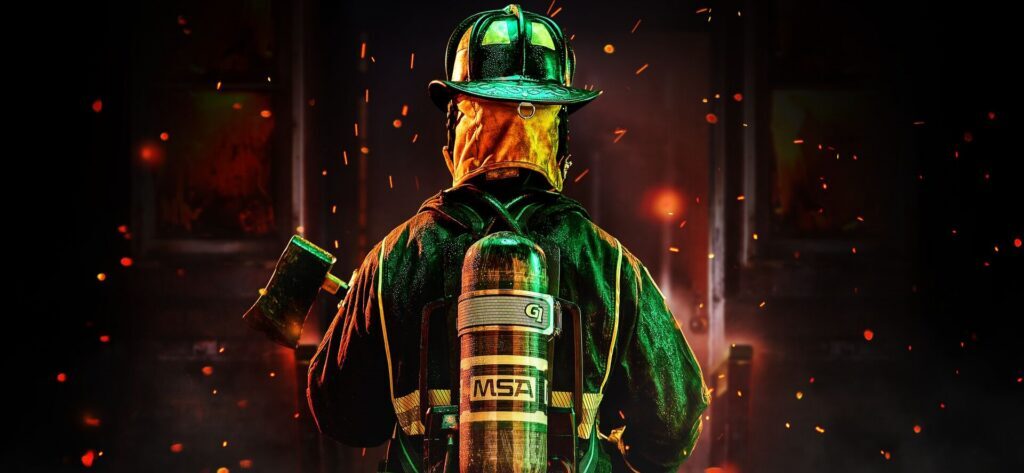
Choosing turnout gear is one of the most important decisions a fire department makes. Firefighters trust it to protect them in extreme heat, yet they also need to move, breathe, and work for long stretches. So the right set isn’t only about the toughest materials. Instead, it’s about the balance between protection and performance. At Fire Safety Services, our specialists help departments find that balance with MSA Globe gear built for real conditions.
The Three Layer System
Modern turnout gear from Globe works because of three layers, and each one has a clear job. The outer shell comes first, resisting flame, abrasion, and tears so it takes the initial punishment. Beneath it sits the moisture barrier, which blocks water, steam, and chemicals while still letting sweat vapor escape. Finally, the thermal liner traps pockets of air to slow heat from reaching the skin. Together, these layers form a complete system rather than a simple coat. Because they work as a unit, the quality of each layer shapes how the whole set performs. When one layer underperforms, the others can’t fully cover the gap. That’s why understanding the construction helps you judge what you’re really buying.
Turnout Gear Components
A full set of turnout gear isn’t one item; it’s a coordinated set of pieces that protect different parts of the body. Each piece does a specific job, and they all have to work together on every call. FSS outfits the whole ensemble, not just the coat. Here’s how the core pieces break down:
- Turnout jacket: The jacket protects the torso, arms, and neck, and it uses the same three-layer build of outer shell, moisture barrier, and thermal liner. Features like the collar, storm flap, and wristlets seal out heat and water at the openings.
- Turnout pants: The pants carry that same three-layer system to the lower body, with reinforced knees for crawling and kneeling. A good fit matters here, since loose or stiff pants slow firefighters down fast.
- Particulate hood: Worn under the helmet, the hood shields the head, ears, and neck from heat. Particulate-blocking models add a barrier layer that helps keep fireground smoke and contaminants off the skin.
- Fire boots: Boots guard the feet against heat, water, punctures, and impact, usually with a protective toe and a puncture-resistant midsole. Leather and rubber options each trade off weight, comfort, and cost.
Together, these pieces form the barrier between a firefighter and the fireground. As a result, a weak link in any one of them puts the whole set at a disadvantage.
Built for Structural Fire Protection
Globe builds turnout gear for several missions, including wildland and technical rescue, but most departments build their program around structural firefighting. Structural calls bring the highest heat, so this gear leads with the three-layer system for maximum thermal protection. The outer shell, moisture barrier, and thermal liner work as one unit to hold back heat, steam, and water. Newer stretch fabric outer shells flex with the body, cut down stiffness, and move with firefighters instead of against them. That added range of motion also helps the gear sit better under an SCBA, which makes a real difference on a long, physical call. In the end, your crews get the protection of structural work demands without fighting their own gear.
Globe’s 5-Step Process for Choosing Turnout Gear
Picking the right setup isn’t guesswork, and Globe lays out a clear path. Buying turnout gear is a major investment, so following a defined process helps you avoid costly missteps and get the protection your crews truly need. It also keeps everyone, from the chief to the budget office, aligned on the same plan. Their five-step process gives departments a practical order to follow.
- Understand the standards. Several bodies, from NFPA to OSHA, set the rules that govern PPE for the fire service. Knowing those standards tells you what your gear must do before you compare a single fabric. So this step gives you the baseline that every later decision builds on.
- Create a risk assessment. A risk assessment maps the hazards your crews face, from interior heat to roadside calls. It then points you toward the right level of protection for each one. On top of that, a documented assessment helps justify budget, a second set of gear, or extra training. Discover MSA’s Risk Assessment Tool to map your department’s hazards step by step.
- Select a style, features, and options. Globe offers an unusually wide range of styles, so you can match the build to the calls you run most. You’ll also choose features like trim, pockets, and reinforcements at this stage. Because there are so many options, consulting your local Globe distributor to find the best fit is a smart step. Contact the Fire Safety Services team to talk through the choices and build a spec that fits your department.
- Learn about materials. Your shells, liners, and barriers form the foundation of the whole system. Compare them using TPP for protection, THL for breathability, and Ret for moisture vapor resistance. This is also the point to weigh the new non-PFAS options against your priorities.
- Evaluate, specify, and purchase. Fire Safety Services demo option allows you to put your top choices to the test. Real wear results give you quantifiable proof, not just a sales pitch. As a result, your final recommendation rests on evidence your department can defend.
Finding Your Balance With FSS
All of these choices come down to fit, and that’s where our team helps. At Fire Safety Services, we handle custom fitting and full outfitting for your turnout gear, so each firefighter gets gear sized to their body and role. We also walk departments through the trade-offs, because most teams have to weigh protection, performance, and budget at the same time. As a result, you invest in the features that matter and skip the ones you don’t. Whether you’re curious about the new non-PFAS options or simply comparing shells, our specialists can match Globe materials to your real needs.
Getting Your Department Into the Right Gear
The right turnout gear protects your crew without weighing them down, and Globe gives you real room to dial in that balance. Once you understand the three layers, the new non-PFAS options, and the trade-offs between protection and performance, the decision gets much clearer. FSS makes it easier with expert fitting, the full Globe lineup, and honest guidance on protection, performance, and budget. So whether you’re replacing aging gear or outfitting new recruits, our team is ready to help you choose well. Reach out today, and let’s build a setup your department can trust. Ready to upgrade your department’s turnout gear? Contact FSS to schedule a fitting, request gear samples, or purchase your department’s gear today!